Case Study Aviation MRO
How did an aircraft maintenance company save 15% on maintenance time using a GNSS repeater system?
In aircraft maintenance, repair and overhaul (MRO), every hour an aircraft spends on the ground is lost revenue for the airline. In this case study, we examine a large European maintenance hangar that was struggling with recurring delays – and how a technical solution turned the situation around.

The Starting Point: “Cold Starts” and Unnecessary Towing
Our client had a 5,000-square-meter steel-framed hangar where narrow-body aircraft were serviced. The biggest challenge was testing the avionics systems.
Since the GPS (GNSS) signal does not penetrate the hangar roof:
• System tests required the aircraft to be towed out of the hangar.
• A single testing process took an average of 1.5 hours, including preparation, towing, acquiring satellite signals (i.e., “cold start”), testing, and towing back.
• Bad weather or a busy apron often delayed tests until the next day.
Solution: Strategic Indoor GNSS Coverage
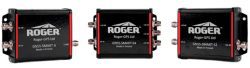
A fit-for-purpose Roger-GPS GNSS repeater system was installed in the hangar, covering all maintenance areas.
Technical Implementation:
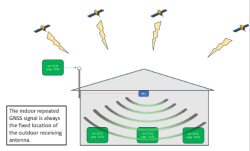
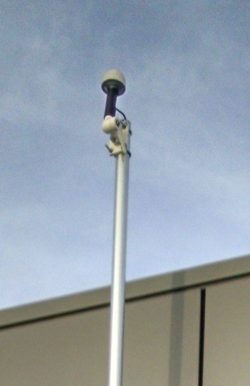
1. Roof Installation: Two high-quality GNSS outdoor antennas were placed on the hangar roof for the best possible line of sight.
2. Signal amplification: The signal was routed via low-loss cables to amplifier units, which adjusted the signal level to optimal levels without interference.
3. Indoor coverage: Eight Roger-GPS GNSS repeater units were installed in the hangar’s roof structure, providing uniform and uninterrupted GPS coverage throughout the entire workspace.
Results: Measurable benefits from day one
Following the system’s implementation, the maintenance hangar reported significant improvements across several metrics:
1. Significant time savings
Before the system, navigation tests required hours of preparation and waiting outdoors. Now, tests can be performed immediately during maintenance indoors. This reduced the Turnaround Time (TAT) by an average of 4–6 hours per aircraft.
2. Reduction in fuel and personnel costs
Unnecessary tows were virtually eliminated. This meant fewer working hours for the towing crew and lower costs for the tractors used to move equipment.
3. “Warm Start” for systems
When the aircraft is taxied out of the hangar for departure, its navigation systems are already locked onto satellites. This eliminates delays during the taxi to the runway and ensures a departure on schedule.
“Before the Roger-GPS GNSS repeater, we often waited for hours just for the weather to improve or for space to open up on the apron. Now we can count on tests being completed on schedule, rain or shine.”
– Production Manager, MRO Facility
Summary: An investment that pays for itself
In this case, the Roger-GPS GNSS indoor coverage system paid for itself in less than six months, solely through the hours of labor saved and the faster turnaround time. It transformed passive waiting time into active and productive work time.